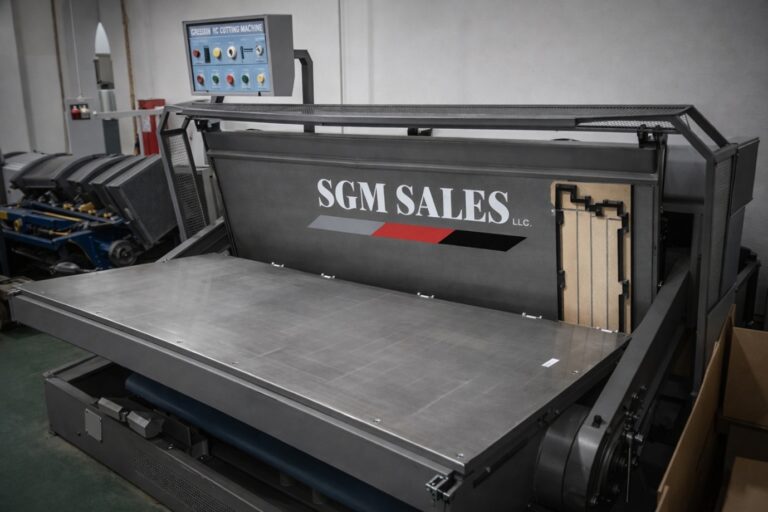
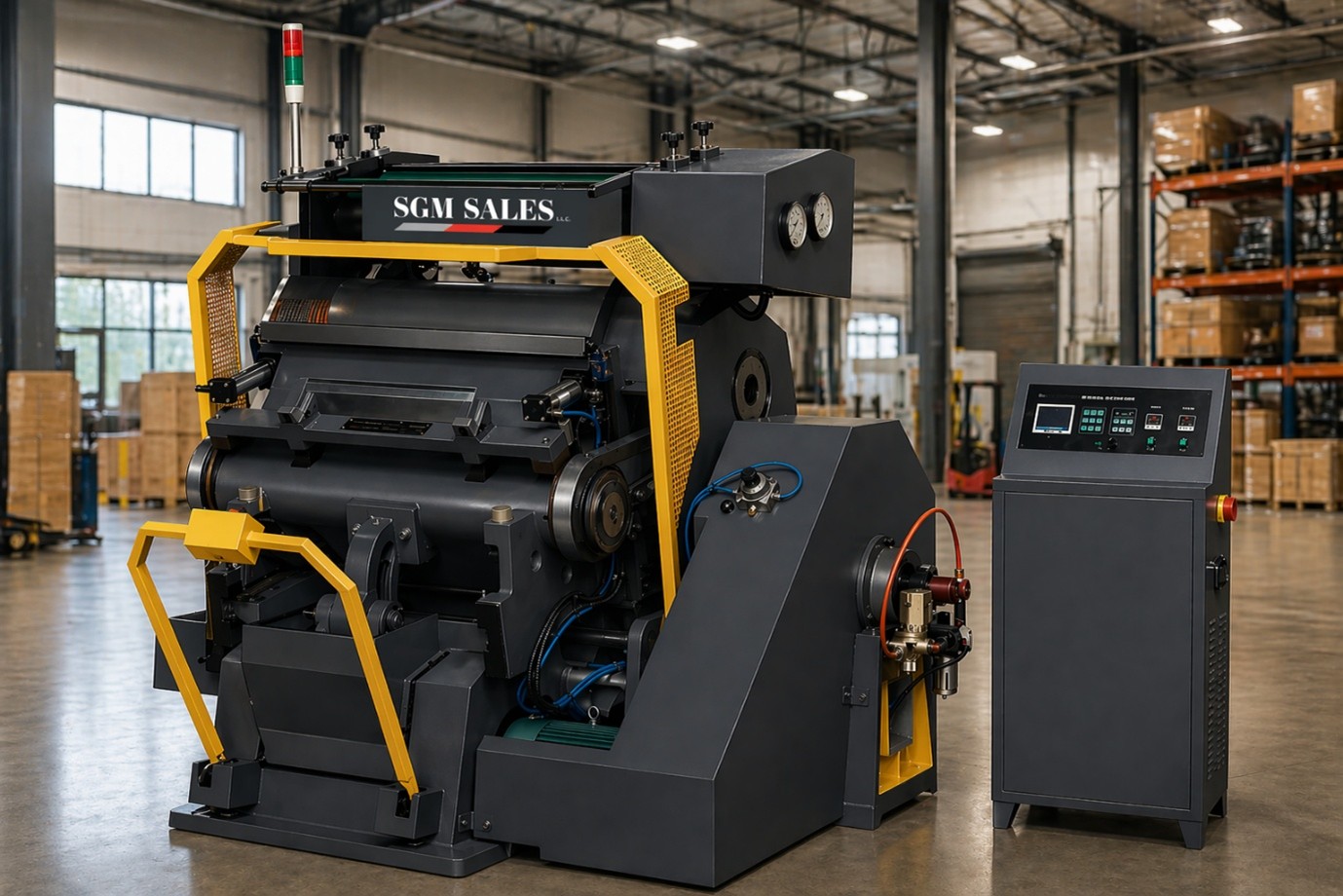
One corrugated machine rarely stays in one factory for long. It moves based on demand, upgrades, and cash flow pressure inside packaging plants. That movement shapes production speed across the industry. In the middle of all this, corrugated die cutting machines shift hands through brokers who understand timing, machine condition, and real buyer needs.
Machines Don’t Sit Still In This Market
A corrugated die cutter enters a factory with one goal, then exits with another purpose years later. Packaging plants upgrade lines, shift product types, or cut costs. That creates movement. Brokers track this flow daily. They do not wait for listings. They watch plant upgrades, closures, and capacity changes. They step in when:
- A plant upgrades production lines
- A unit shuts down or reduces output
- A machine no longer fits new product specs
So, brokers sit close to machine movement, not paperwork.
How Brokers Read Machine Value In Real Time?
Machine value does not depend only on age. It depends on output behavior, maintenance history, and part availability. Brokers break value into simple checks:
- Cutting accuracy under load
- Speed consistency during long runs
- Wear on dies and rollers
- Electrical and control system stability
- Spare parts reach in global markets
They compare these factors against current demand from buyers. That gap decides price. A good broker does not guess. They match demand signals with machine condition data.
Why Corrugated Machines Keep Circulating?
Corrugated die-cutting machines sit inside a constant upgrade loop. Packaging demand changes fast. Box designs change even faster. Factories shift machines because:
- Product sizes change
- Order volume increases or drops
- New automation replaces older systems
- Energy and labor costs push upgrades
This creates a steady supply of used machines in the market. Brokers step in and prevent downtime for buyers who need quick replacements.
How Brokers Shape Deals Between Factories
A deal does not start with a price. It starts with a requirement. A factory says: “We need a machine that can handle higher board thickness without slowing production.” The broker then:
- Shortlists available machines
- Checks real output records
- Filters mismatched listings
- Starts negotiation on both sides
They also handle machines linked with finishing lines like New SGM Sales Die Cutters and Foil Stampers, which often run alongside corrugated systems in packaging plants. So, brokers do not just move machines. They build workable production setups.
Secondary Market Logic Behind These Machines
The secondary machinery market runs on one simple rule: unused capacity has value. A machine leaving a factory still holds production potential. Another factory sees that potential as cost savings.
Brokers manage this exchange by:
- Identifying underused assets
- Matching them with demand zones
- Handling cross-border movement
- Aligning technical specs with buyer output
This creates a continuous loop of reuse instead of disposal.
Why Buyers Do Not Deal Directly?
Factories avoid direct negotiation for one main reason: risk. A wrong machine choice affects production lines instantly. Brokers reduce this risk by:
- Verifying machine condition before sale
- Filtering irrelevant sellers
- Handling technical comparison
- Aligning price with real output capacity
They also help buyers understand when machines like New SGM Sales Die Cutters and Foil Stampers fit better into hybrid production lines instead of standalone setups. So, brokers remove guesswork from high-value decisions.
Real Flow Inside A Machine Deal
A typical deal moves in a clear sequence. First, a seller lists idle equipment. Then a broker inspects and documents the machine condition. After that, they match it with a buyer request. Then comes:
- Technical alignment
- Price negotiation
- Logistics planning
- Final transfer
Every step depends on accuracy. One mismatch can break the deal. That is why experienced brokers stay involved from start to finish.
Why This Market Never Slows Down?
Packaging demand does not stay flat. It grows with retail, food, pharma, and e-commerce. That keeps the machine movement active. Three things keep brokers busy:
- Constant factory upgrades
- Strong resale demand
- Global sourcing gaps
Even older machines stay useful when matched correctly. That creates long-term circulation instead of replacement waste.
Final Remarks
Machine trade in packaging does not follow a straight path. It moves through upgrades, shutdowns, and demand shifts. Brokers keep this flow active by placing the right equipment in the right factories at the right time. The corrugated die-cutting machines stay valuable because they keep production lines alive even after changing hands.
SGM Sales LLC works inside this exact trade network. It supports packaging manufacturers with sourcing, resale, and industrial equipment access across global markets. It focuses on real machine needs, not surface-level listings.
We connect factories with reliable equipment that matches production goals. It helps reduce downtime, improve sourcing speed, and support smarter machinery investment decisions. If your plant needs dependable sourcing for packaging machinery, wecan support your next move with practical, real-world solutions.
Frequently Asked Questions
- What do corrugated die-cutting machine brokers actually do?
They connect factories, evaluate machine condition, and manage buying, selling, and global equipment transfers efficiently.
- Why do corrugated die-cutting machines move between factories?
Factories upgrade, change production needs, or reduce costs, which releases machines into secondary equipment markets.
- How do brokers decide machine value in trade markets?
They check performance, maintenance history, production speed, and spare parts availability before pricing machines.
- Why do factories prefer brokers instead of direct deals?
Brokers reduce risk, verify equipment condition, and ensure better matches between machines and factory requirements.
- Do brokers handle other packaging machines, too?
Yes, they also manage die cutters, foil stampers, and related finishing equipment across global markets.